
19th Century Passenger List of Canarios to Puerto Rico Introduction
19th Century passenger list of Canarios to Puerto Rico from the 19th Century available for review. Below is an updated list of those individuals that sailed in the 1800s. They provide names, ages, where they sailed from, and some notes. These could be helpful to researchers who are trying to find an ancestor if you can connect with them directly. Unfortuanealty, it does indicate where they settled, which would have been very helpful.
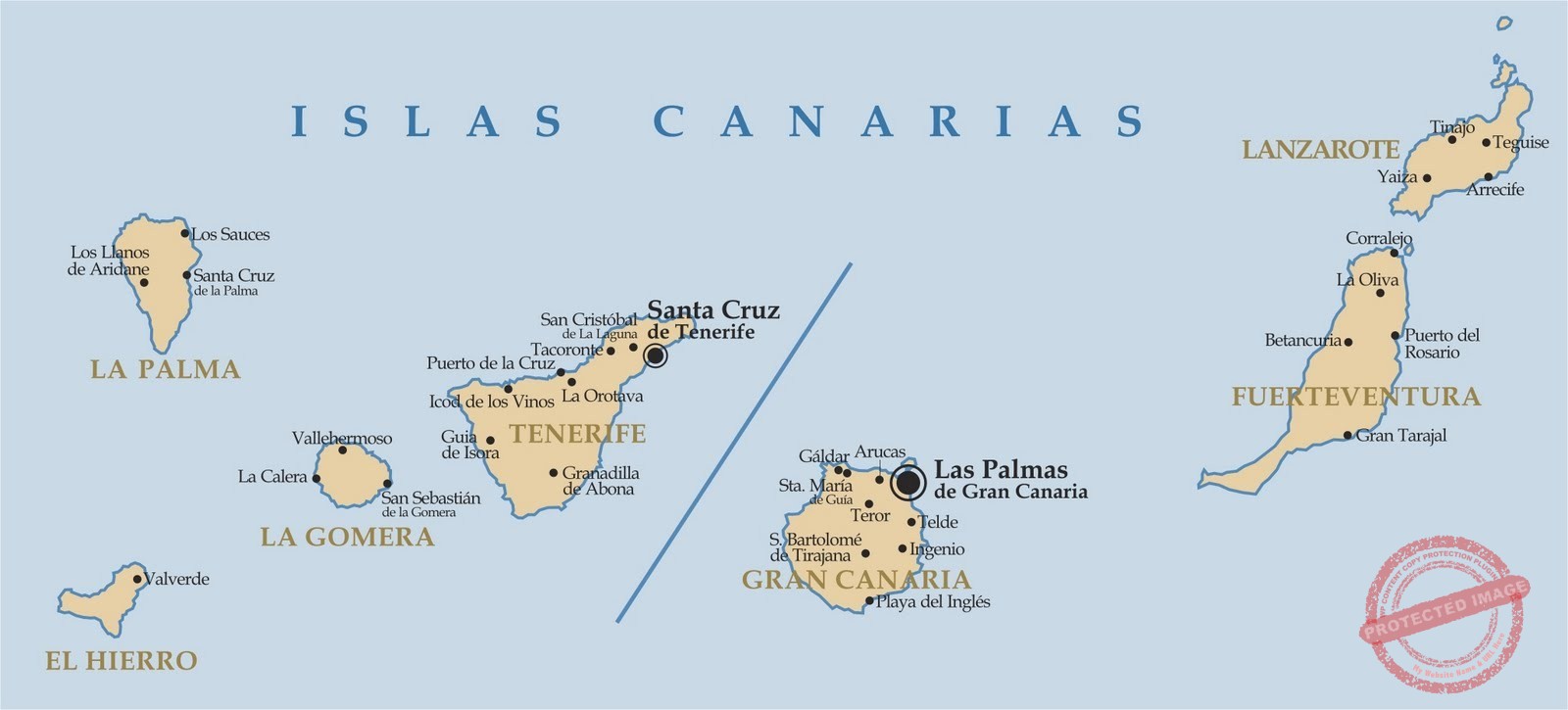
The Canary Islands consist of seven islands located some 90 miles off the West Coast of the African continent. The geological origins of these islands are volcanic, but the source of its people, the “Guanches,” is unknown. Some anthropologists claim that they were Nordic or Viking raiders, others say they were Celts, and still, others claim they were Berber migrants from the nearby Saharan Desert. While their origins are in dispute, its people were conquered and enslaved by the Spanish in 1595. And 100 years of colonization, intermarriage, and Christianization, the Guanches ceased to exist as a social and political unit.
The Spanish conquistadores sailed down from Spain to the Canaries and re-supplied their ships with food, water, and men, and continued to Puerto Rico. Puerto Rico was the first stop in the New World for ships going on to Cuba, Mexico, and South or North America. As soldiers and sailors in the service of Spain, Canarians formed part of the early colonization of Puerto Rico and the rest of Spanish America. Initially, their numbers were relatively small, and it was not until 1678 that the mass migration to the New World began.
In that year, the Spanish Crown passed a royal decree (law) officially called La Real Cedula de 1678. Unofficially it was called “El Tributo de Sangre .” It was a draconian measure, which mandated that 50 Canarian families migrate to Spain’s most minor populated colonies in America for 1000 tons of Canarian exports. In essence, it was a tax credit, which accrued to the benefit of the wealthy Spanish landowners, exempting them from Spanish import taxes. They provided bodies to populate the colonies. No one was officially obligated to migrate, but it was an offer they could not refuse. The economic pressures made it so. They were poor and landless, so the offer of free passage, land in the colonies, a stipend of 500 “reales,” seeds, and agricultural implements if they agreed to leave to the new world.
M. Hernández, 1999
The first wave of Canarian migration
The first wave of Canarian migration to PR seems to be in 1695, followed by others in 1714, 1720, 1731, and 1797. Thus, in its first three centuries, the number of actual Canarians to Puerto Rico is unknown. However, Dr. Estela Cifre de Loubriel and other scholars of the Canarian Migration to America, like Dr. Manuel González Hernández, of the University of La Laguna Tenerife, agree that they formed the bulk of the Jibaro or white peasant population.
As for the Canarian migration, numbers are more exact in the 19th century, and in her detailed work, “La Formación de Pueblo Puertorriqueño: La Contribución de los Isleno-Canarios” she precisely identifies (by name) some 2,733 immigrants. There is no doubt there is more because, besides these persons whose names appear on ship manifests and other official documents, there was covert or illegal immigration. This 19th-century migration came about due to various economic depressions, droughts, and a disease that attacked the grapevines. Nevertheless, they produced the finest wines of Europe and were the base of much of Canarian economic life.
In addition, The Puerto Rican Genealogical Society (SPG), based in Puerto Rico, has published its first volume on the migration of Canarios to the island. “Genealogy and History Collection. (out of print) The contribution of the Canaries to the Puerto Rican family, Volume I, is the first book published and contains ab additional 3000 names. Thus, Dr. Estela Cifre de Loubriel and the SPG have almost 6000 documented Canarios in Puerto Rico. In addition, the SPG plans to unveil their second publication that will contain another several thousand names!
M. Hernández, 1999
Source:
Following is a list of over 200 passengers who migrated to Puerto Rico mid to late 19th Century. This list originates from the appendix of the doctoral dissertation of Julio Hernández Garcia. The original passenger list may be found at the Universidad de La Laguna library in Tenerife, Canary Islands. Dr. Hernández’s thesis includes thousands of names, most of which constitute those who immigrated to Cuba, and Venezuela, the countries of choice of most immigrants. However, horrible travel conditions by sail and steamships convinced many to get off at the first stop, Puerto Rico. These passengers refused to continue to their final destination.
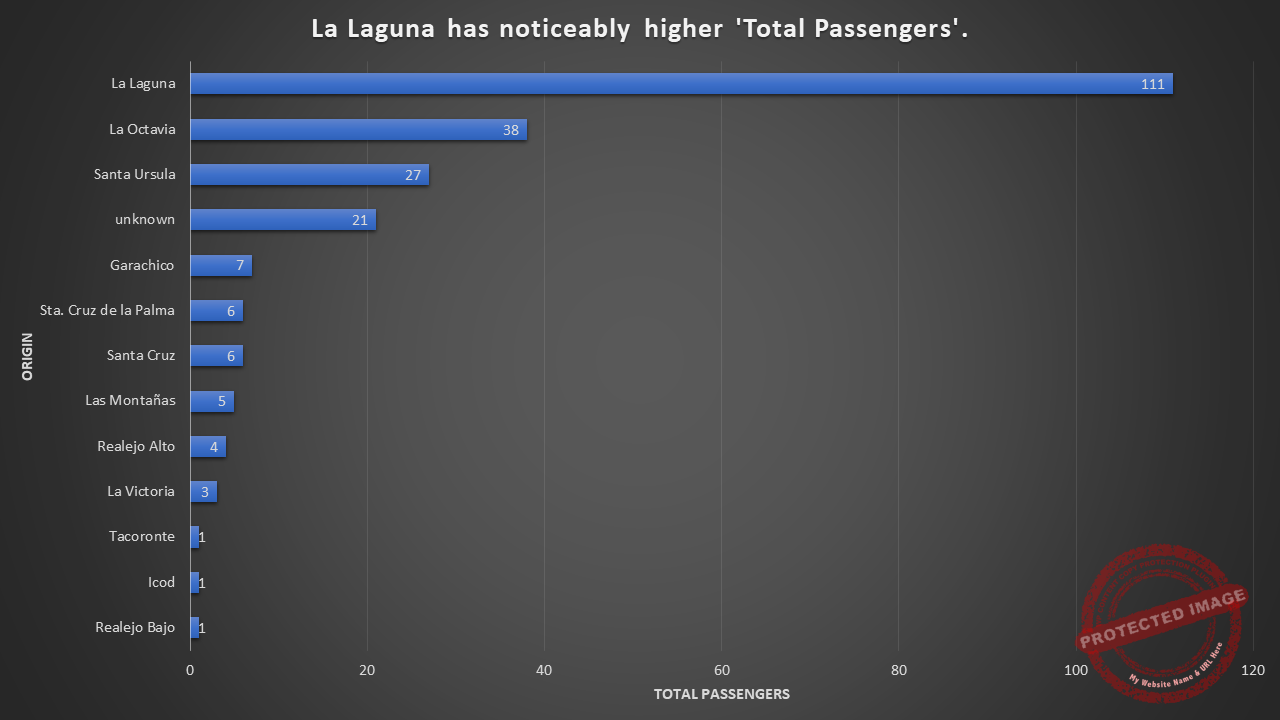
19th Century Passenger List from the Canary Islands to Puerto Rico in the 19th Century. (A-D)
Paternal Surname Maternal Surname Name Age Marital Status Origin Sailing Date Ship Comment Alonzo Rodríguez Not stated 24 Single La Laguna 24 Jan 1857 Alvarez Picar Ana Casada La Orotava 04 Jun 1851 N/A Alvarez Martel González(?) Not stated Garachico 27 Feb 1865 N/A Alvarez N/A Amaro 19 Single La Laguna 14 Jan 1857 Arvelo de García N/A Antonia 30 Married La Laguna 14 Jan 1857 Wife of Mauricio García Balenzuela N/A Juliana 30 Widow La Laguna 14 Jan 1857 Balenzuela N/A Girl 15 Single La Laguna 14 Jan 1857 BarRíos Duarte Domingo Single Garachico 23 Feb 1865 N/A Day Laborer Bautista González Vicente 19 Single La Orotava 23 May 1887 N/A Day Laborer Bethencourt N/A Antonio 44 Widower La Laguna 22 Nov 1853 Bethencourt N/A Tomása 14 Single La Laguna 22 Nov 1853 Bethencourt N/A Francisco 7 Single La Laguna 22 Nov 1853 Bethencourt N/A Antonio 4 Single La Laguna 22 Nov 1853 Bethencourt N/A Inocencia 3 Single La Laguna 22 Nov 1853 Bethencourt N/A Dolores 3 Single La Laguna 22 Nov 1853 Bethencourt N/A Barbára 26 Single La Laguna 22 Nov 1853 Nanny Borges N/A Diego Ildefonso Married La Orotava 11 Oct 1851 N/A Cabrera Martín José 22 Not stated Santa Cruz 28 Jul 1853 Puerto Franco Cairos N/A Andrés 18 Single N/A 31 Oct 1854 Cairos Jorge Antonio 17 Single N/A 19 Mar 1859 Caraballo N/A González(?) 17 Single La Laguna 30 Aug 1858 Correa N/A Isidoro 54 Married Santa Ursula 26 Oct 1854 N/A Correa N/A Child Single Santa Ursula 26 Oct 1854 N/A Correa N/A Child Single Santa Ursula 26 Oct 1854 N/A Correa N/A Child Single Santa Ursula 26 Oct 1854 N/A Correa N/A Child Single Santa Ursula 26 Oct 1854 N/A Correa N/A Child Single Santa Ursula 26 Oct 1854 N/A De Castro N/A Matías 32 Married La Orotava 27 Sep 1855 N/A De Castro González Miguel Single La Orotava 27 Sep 1855 N/A Son of Matias & Petra De Castro González Amelia Not stated La Orotava 27 Sep 1855 N/A Dau. of Matias & Petra De Castro González Marcos 30 Married La Orotava 27 Sep 1855 N/A Son of Matias & Petra De Castro González Rosalia 27 Married La Orotava 27 Sep 1855 N/A Wife of Marcos de González N/A María de Socorro 40 Widow La Laguna 20 Jan 1857 de la Cruz N/A Diego 16 Single Realejos Bajo 18 Jan 1864 N/A de La Luz N/A María 45 Married La Laguna 17 Feb 1856 Las Palmas Wife of José Luis González de León Hernández Domingo Single Santa Ursula 03 Mar 1851 N/A de León Hernández María Single Santa Ursula 03 Mar 1851 N/A Sister of Domingo de León N/A Clemente 80 Not stated Santa Ursula 09 Dec 1854 N/A de León N/A Domingo 40 Not stated Santa Ursula 09 Dec 1854 N/A de León N/A María 30 Not stated Santa Ursula 09 Dec 1854 N/A de León N/A Juana 19 Not stated Santa Ursula 09 Dec 1854 N/A de León N/A Justo 12 Not stated Santa Ursula 09 Dec 1854 N/A de León N/A Saturnino 10 Not stated Santa Ursula 09 Dec 1854 N/A de Matías N/A Lorenza 30 Married La Laguna 15 Jan 1857 de Pérez N/A Andrea J. 50 Married La Orotava 19 Oct 1855 N/A Wife of Anastacio de Rodríguez N/A Antonia 30 Married La Laguna 14 Jan 1857 del Sacramento N/A Joséfa 27 Single Santa Ursula 11 Dec 1854 N/A Delgado N/A Cristobal 51 Married La Laguna 24 Jan 1857 Las Palmas Delgado González Petra 19 Not stated La Laguna 24 Jan 1857 Las Palmas Delgado González Juan 17 Not stated La Laguna 24 Jan 1857 Las Palmas Delgado González José Luis 15 Single La Laguna 24 Jan 1857 Las Palmas Delgado González Francisco 12 Single La Laguna 24 Jan 1857 Las Palmas Delgado González Sebastian 9 Single La Laguna 24 Jan 1857 Las Palmas Delgado González María 7 Single La Laguna 24 Jan 1857 Las Palmas Delgado González Cristóbal 1 Single La Laguna 24 Jan 1857 Las Palmas Diaz N/A Francisco 60 Widower Victoria 27 Sep 1855 N/A Diaz Machado Pedro 37 Single La Orotava 02 Oct 1855 N/A Domínguez N/A Agustina Single` N/A 15 Jul 1853 N/A Dorta González Francisco Not stated Garachico 03 Jul 1865 N/A Espinos Estrada Antonio Single Garachico 15 Oct 1866 N/A Business Man Expósito N/A Francisco 18 Single La Laguna 18 Aug 1853 Expósito N/A Manuel 40 Single La Laguna 14 Jan 1857 Fajardo Rodríguez Ignacio 23 Married La Laguna 07 Jan 1857 Fajardo N/A Ignacio 25 Married La Laguna 07 Jan 1858 Fernández Morales Tomás Single Santa Cruz 24 Mar 1851 Puerto Franco Galindo Hernández Vicente 16 Single La Laguna 30 Jan 1862 Galindo Hernández Juan 12 Single La Laguna 30 Jan 1862 García N/A Manuel 46 Married La Orotava 22 Aug 1851 N/A García Rivero Joséfa Married La Orotava 1853 N/A To join her husband García N/A Cecilia 32 Not stated La Orotava 21 Sep 1855 N/A García del Castillo Antonio Single Santa Ursula 18 Jun 1854 Puerto Franco García N/A Juan 20 Single La Laguna 20 Feb 1854 García N/A Tomasa 36 Married La Laguna 14 Jan 1857 Las Palmas Wife of Angel Melian García N/A Dolores 20 Single La Laguna 23 Jan 1857 García N/A Mauricio 34 Married La Laguna 14 Jan 1857 Contract to J.B. Anduze & Co. García Arvelo Lorenzo 16 Single La Laguna 14 Jan 1857 Child of Mauricio & Anta. García Arvelo Tomás 10 Single La Laguna 14 Jan 1857 Child of Mauricio & Anta. García Arvelo María de Carmen 7 Single La Laguna 14 Jan 1857 Child of Mauricio & Anta. García Arvelo Encarnación 5 Single La Laguna 14 Jan 1857 Child of Mauricio & Anta. García de la Rosa Antonio 19 Single La Laguna 14 Oct 1863 Gines N/A Alejo 27 Single N/A 01 Oct 1850 Gines N/A Juan Single N/A 01 Oct 1850 González Ledesma Elena Single La Orotava 11 Oct 1851 N/A González Rodríguez Pedro 30 Not stated La Orotava 27 Sep 1855 N/A González Rodríguez Bernabe 25 Not stated La Orotava 27 Sep 1855 N/A González Rodríguez María 24 Not stated La Orotava 27 Sep 1855 N/A González Rodríguez Felipe 22 Not stated La Orotava 27 Sep 1855 N/A González Rodríguez Juan Felipe 4 Single La Orotava 27 Sep 1855 N/A Grandchild of María Alvarez González Luis Isidro 19 Single La Orotava 10 Sep 1887 N/A Day Laborer González Arbelo Catalina 28 Single Santa Ursula 18 Jun 1874 Puerto Franco González Arbelo Marcial 14 Single Santa Ursula 18 Jun 1874 Puerto Franco Son of Catalina González N/A José Luis 52 Married La Laguna 17 Feb 1856 Las Palmas Contract to J B. Anduze & Co. González de La Luz González(?) Not stated La Laguna 17 Feb 1856 Las Palmas González de La Luz Romauldo Not stated La Laguna 17 Feb 1856 Las Palmas González de La Luz Antonio Not stated La Laguna 17 Feb 1856 Las Palmas González de La Luz Esteban Not stated La Laguna 17 Feb 1856 Las Palmas González de La Luz María Not stated La Laguna 17 Feb 1856 Las Palmas González de La Luz Andrea Not stated La Laguna 17 Feb 1856 Las Palmas González de La Luz Aurora Not stated La Laguna 17 Feb 1856 Las Palmas González de La Luz María Gracía Not stated La Laguna 17 Feb 1856 Las Palmas González de La Luz Dolores Not stated La Laguna 17 Feb 1856 Las Palmas González de La Luz María Agustina Not stated La Laguna 17 Feb 1856 Las Palmas González N/A Rafael 18 Single La Laguna 20 Jan 1857 González N/A Nicolása 46 Married La Laguna 24 Jan 1857 Las Palmas Wife of Cristobal Delgado González N/A Marcelino 17 Single La Laguna 06 May 1857 González Lorenzo Manuel Single Sta. Cruz de la Palma 19 Jun 1856 Puerto Franco González Lorenzo Juana Married Sta. Cruz de la Palma 19 Jun 1856 Puerto Franco González Lorenzo Sister Not stated N/A Puerto Franco González de Castro N/A Petra Felipa 35 Married La Orotava 27 Sep 1855 N/A Wife of Matias de Castro Gutíerrez González Ramón 20 Single Garachico 17 May 1866 N/A Day Laborer Gutíerrez González Emilio Not stated Garachico 02 Sep1864 N/A Shoemaker Gutíerrez González María Not stated Garachico 02 Sep1864 N/A Gutíerrez N/A Antonio 16 Single La Laguna 14 Jan 1857 Gutíerrez N/A Francisco 18 Single La Laguna 20 Jan 1857 Gutíerrez Martín Manuel 17 Single La Laguna 16 Mar 1857 Gutíerrez N/A María 46 Widow La Laguna 23 Jan 1857 Guzmán García G. Single Santa Ursula 18 Jun 1854 Puerto Franco Guzmán N/A Domingo 20 Single La Laguna 26 Aug 1856 Hernández N/A Antonio 60 Not stated Realejo Alto 28 Sep 1855 N/A Hernández N/A Luisa 24 Not stated Realejo Alto 28 Sep 1855 N/A Hernández N/A Tomasa Not stated Realejo Alto 28 Sep 1855 N/A Hernández N/A Lorenza 22 Not stated Realejo Alto 28 Sep 1855 N/A Hernández Murga Victoriano 21 Single La Orotava 15 Nov 1881 N/A Agricultor Hernández N/A Catalina 54 Single La Laguna 21 Jun 1853 Hernández N/A Candelaria 26 Single La Laguna 21 Jun 1853 Daughter of Catalina Hernández Espinosa González 26 Single La Laguna 24 Jan 1857 Leandro Carmona Gregorio Single La Orotava 2 Jun 1853 N/A López N/A María 45 Widow Las Montañas 26 Jan 1857 Lorenzana N/A Julian Widower Santa Cruz 16 Feb 1855 N/A Lorenzana N/A Son Not stated Santa Cruz 16 Feb 1855 N/A Lorenzana N/A Daughter Not stated Santa Cruz 16 Feb 1855 N/A Lorenzana N/A Antonio Married Santa Cruz 16 Feb 1855 N/A Lorenzo N/A Antonio Married Sta. Cruz de la Palma 08 Mar1853 Puerto Franco Mallorado García Francisca Single La Orotava 08 Oct 1851 N/A Marinero N/A Antonia 60 Widow La Victoria 27 Sep 1855 N/A Marinero Diaz Rosalia Not stated La Victoria 27 Sep 1855 N/A Daughter of Antonia Martin N/A Nicasio 15 Single La Laguna 20 Jan 1857 Martín N/A Diego 22 Single La Orotava 27 Sep 1855 N/A Martín N/A Ignacia 22 Single Icod 20 Aug 1853 Martín Cabrera González(?) 22 Single Sta. Cruz de la Palma 28 Jul 1853 Puerto Franco Matías González Juan 40 Married La Laguna 15 Jan 1857 Matías N/A Felipe 14 Single La Laguna 15 Jan 1857 Matías N/A Juan María 12 Single La Laguna 15 Jan 1857 Matías N/A Francisco 8 Single La Laguna 15 Jan 1857 Matías N/A Maríano 5 Single La Laguna 15 Jan 1857 Matías N/A Agustín 4 Single La Laguna 15 Jan 1857 Melian N/A Angel 46 Married La Laguna 14 Jan 1857 Las Palmas Contract to Anduze & Co. Melian García Saturnina 18 Single La Laguna 14 Jan 1857 Las Palmas Child of Angel & Tomasa Melian García Francisca 16 Single La Laguna 14 Jan 1857 Las Palmas Child of Angel & Tomasa Melian García Gervacio 14 Single La Laguna 14 Jan 1857 Las Palmas Child of Angel & Tomasa Melian García Cecilia 11 Single La Laguna 14 Jan 1857 Las Palmas Child of Angel & Tomasa Melo N/A Antonio 30 Not stated Tacoronte 15 Jul 1851 N/A Méndez N/A Jeronimo 40 Widower Ocotava 10 Jun 1853 Monteverde N/A Juan Bautista 25 Single 20 May 1855 N/A Monteverde Bautista Juan 25 Single Sta. Cruz de la Palma 20 May1855 Puerto Franco Born in Caracas Venezuela Morales Fernández Tomasa 32 Single Sta. Cruz de la Palma 24 May 1850 N/A N/A Antonia 27 Not stated N/A 28 Sep 1855 N/A Daughter-In-Law N/A N/A Wife Married Santa Ursula 12 Aug 1851 N/A N/A N/A Wife Single Santa Ursula 26 Oct 1854 N/A N/A Gutierrez Manuel 27 Not stated La Laguna 23 Jan 1857 N/A Gutierrez González 25 Not stated La Laguna 23 Jan 1857 N/A Gutierrez Ramón 13 Single La Laguna 23 Jan 1857 N/A Gutierrez Francisco 12 Single La Laguna 23 Jan 1857 N/A Gutierrez Santana Not stated La Laguna 23 Jan 1857 N/A López Manuel 25 Not stated Las Montañas 26 Jan 1857 N/A López González(?) 17 Not stated Las Montañas 26 Jan 1857 N/A López María Candelaria 16 Not stated Las Montañas 26 Jan 1857 N/A López Francisco 12 Single Las Montañas 26 Jan 1857 N/A Rios Agustina 16 Not stated La Laguna 31 Mar 1857 N/A Rios María del Pino 24 Not stated La Laguna 31 Mar 1857 N/A Rios González(?) 10 Single La Laguna 31 Mar 1857 N/A González Daughter Not stated N/A Puerto Franco Oliva Padrón Tomás 53 Single La Orotava 19 Apr. 1853 N/A Pacheco Rodríguez María 22 Single Santa Ursula 17 Oc 1875 Padilla Benitz Juan 17 Single La Laguna 23 Jan 1857 Las Palmas Contract to J.B. Anduze & Co. Padrón León Diego 24 Single La Orotava 07 Dec 1851 N/A Padrón Lorenz Diego 36 Married La Orotava 13 Jul 1853 N/A Padrón Lorenz Felix 10 Single La Orotava 13 Jul 1853 N/A Páez N/A José 26 Single La Laguna 14 Jan 1857 Perera de Rodríguez N/A Lorenza 30 Married La Laguna 15 Jan 1857 Wife of Domingo Rodríguez Pérez Alonzo María 28 Single Santa Ursula 16 May 1874 Pérez N/A Anastacio 42 Married La Orotava 19 Oct 1855 N/A Pérez N/A Modesto 12 Single La Orotava 19 Oct 1855 N/A Son of Anastacio & Andrea Pérez N/A Ciprian 8 Single La Orotava 19 Oct 1855 N/A Pérez N/A Dionisio 6 Single La Orotava 19 Oct 1855 N/A Pérez N/A Agustín 30 Single La Laguna 29 Feb 1856 Pérez Rodríguez Pedro 30 Married La Laguna 14 Jan 1857 Pérez Rodríguez Isabel 12 Single La Laguna 14 Jan 1857 Pérez Rodríguez Dominga 9 Single La Laguna 14 Jan 1857 Pérez de Yañes Sanabria Cecilia 44 Married N/A 28 Sep 1855 N/A Wife of Diego Yañes Pestano Guzmán Antonio 17 Single La Laguna 10 Jan 1862 Placencia N/A Cristobal 19 Single La Orotava 20 Oct 1851 N/A To join his father Ponte Llarena Francisco 19 Single La Orotava 14 Jun 1880 N/A Student Quintero N/A González 20 Single La Laguna 24 Mar 1886 Reyes Geneto González 25 Single La Laguna 14 Jan 1857 Ríos N/A María 44 Married La Laguna 31 Mar 1857 Rodríguez N/A Francisco 16 Single La Laguna 14 Jan 1857 Rodríguez N/A Francisco 23 Single La Laguna 14 Jan 1857 Rodríguez N/A Estevana 30 Married La Laguna 14 Jan 1857 Rodríguez N/A Ildefonso 44 Not stated N/A 14 Jan 1857 Rodríguez N/A María 13 Single N/A 14 Jan 1857 Rodríguez N/A Manuel 10 Single N/A 14 Jan 1857 Rodríguez Alvarez María 60 Widower La Orotava 27 Sep 1855 N/A Rodríguez N/A Hipolito 29 Single La Orotava 23 May 1887 N/A Day Laborer Rodríguez López Antonio 60 Married Santa Ursula 12 Aug 1851 N/A Rodríguez N/A Child Single Santa Ursula 12 Aug 1851 N/A Rodríguez N/A Child Single Santa Ursula 12 Aug 1851 N/A Rodríguez N/A Child Single Santa Ursula 12 Aug 1851 N/A Rodríguez N/A Domingo 46 Married La Laguna 19 Oct 1853 Rodríguez de la Cruz Domingo 36 Married La Laguna 15 Jan 1857 Rodríguez Perera Jul io 10 Single La Laguna 15 Jan 1857 Rodríguez Perera María 8 Single La Laguna 15 Jan 1857 Rodríguez N/A Marcos 34 Married La Laguna 14 Jan 1857 Rodríguez N/A González 13 Single La Laguna 14 Jan 1857 Rodríguez N/A Juan 11 Single La Laguna 14 Jan 1857 Rodríguez N/A Antonio 9 Single La Laguna 14 Jan 1857 Rodríguez N/A María 6 Single La Laguna 14 Jan 1857 Rodríguez N/A Bernadino 17 Single La Laguna 12 Mar 1857 Rojas N/A Juan 32 Single La Laguna 24 Mar 1857 Siverio N/A Domingo 19 Single La Laguna 22 Jan 1857 Trujillo Montemayor Lorenzo 12 Single N/A 10 Nov 1854 Trujillo N/A Felipe 50 Widower La Laguna 24 Mar 1857 Trujillo N/A Cecilia 29 Not stated La Laguna 24 Mar 1857 Trujillo N/A Martina 24 Not stated La Laguna 24 Mar 1857 Yañes N/A Diego 58 Married N/A 28 Sep 1855 N/A Yañes Pérez Diego 26 Not stated N/A 28 Sep 1855 N/A Son of Diego & Cecilia Yañes Pérez González 22 Not stated N/A 28 Sep 1855 N/A Son of Diego & Cecilia Yañes Pérez Antonio 16 Not stated N/A 28 Sep 1855 N/A Son of Diego & Cecilia Yañes Pérez Lazaro 14 Not stated N/A 28 Sep 1855 N/A Son of Diego & Cecilia Yañes Pérez Miguel 13 Not stated N/A 28 Sep 1855 N/A Son of Diego & Cecilia
Photos of various towns in the Canary Islands
When you look at these photos, you may notice some similarities to Puerto Rico. So I can see why it would be a relatively easy adjustment for them to settle on our island.
Sources
Join my Facebook community
Discover more from Hijos de Coamo Puerto Rico
Subscribe to get the latest posts sent to your email.